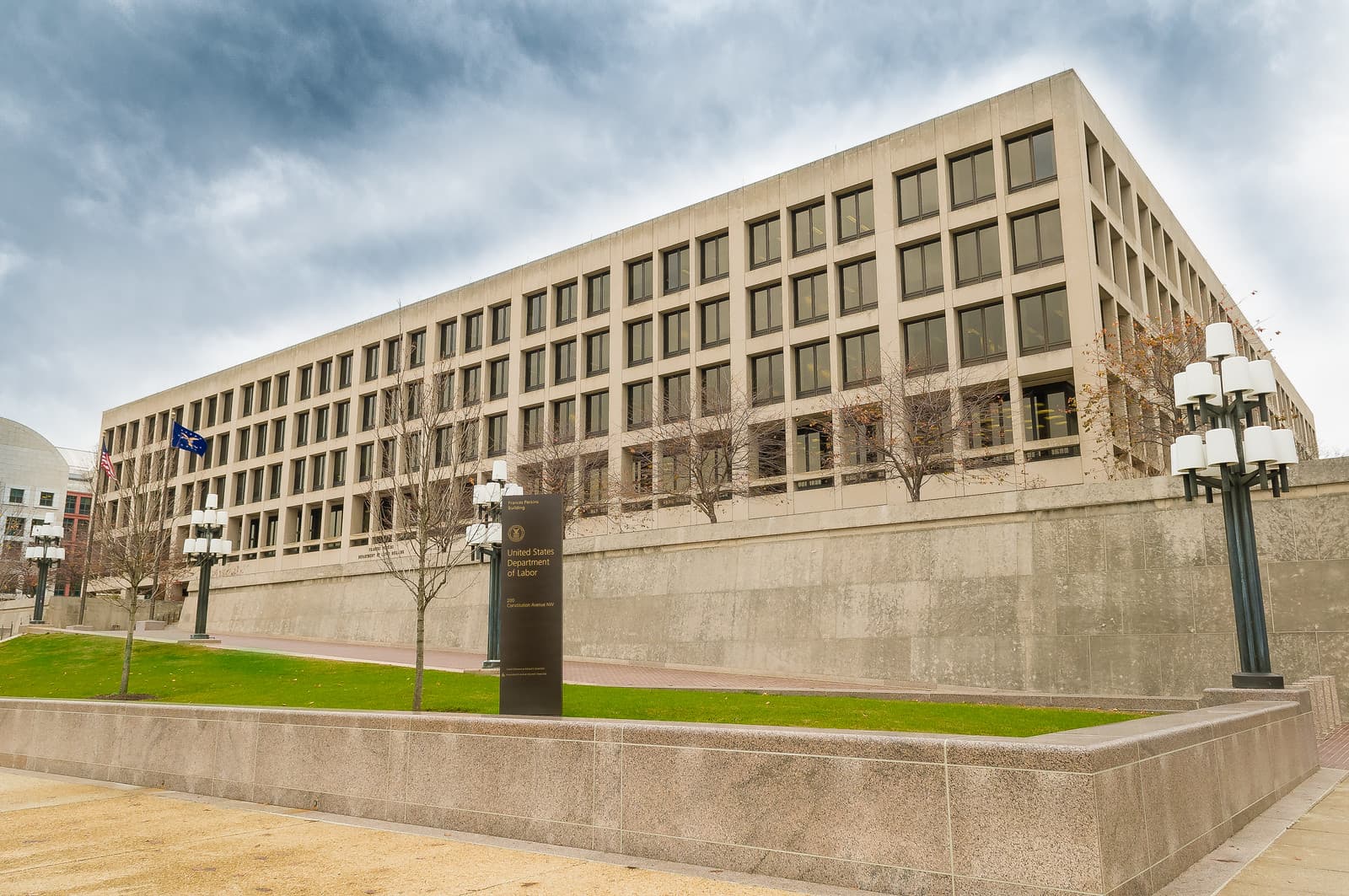
The Labor Department’s suspension of Microsoft from the PERM program pauses new applications and processing of pending ones, a step in some employer-sponsored green-card processes. Vice President JD Vance accused Microsoft of misusing foreign-worker programs; the company disputes the administration’s account. As of Oct. 10, no reversal or final finding had been reported.
The dispute is about PERM, not a reported ban on Microsoft’s H-1B applications. The distinction matters: H-1B status permits temporary employment, while PERM is a labor-certification step in a process for permanent U.S. residence.
The GeekWire podcast page published Oct. 10 places the Microsoft dispute alongside a fighter-jet program and a Seattle studio visit. Those are separate episode topics, not evidence for or against the administration’s accusation.
What does the PERM suspension change?
Vance announced the suspension on Oct. 8, accusing Microsoft of abusing programs for foreign workers. Labor Secretary Keith Sonderling said the department would stop accepting new Microsoft PERM applications and halt processing of those already pending.
PERM is used when an employer seeks to sponsor a worker for permanent residence. Employers generally must advertise the position and show that no qualified U.S. worker was available. The pause affects that labor-certification process; it is not itself a decision on a worker’s green-card application.
GeekWire reported that the suspension did not prevent Microsoft from applying for H-1B visas. The two processes should not be conflated: the H-1B figures cited in the dispute are not a count of PERM filings, and the suspension does not establish that the company has been barred from temporary-worker applications.
Employees whose cases depend on pending Microsoft PERM applications could face delays in that step. The available reporting does not say how many employees are affected, how long the pause will last or what criteria the Labor Department would use to lift it.
What do the competing accounts establish?
Vance cited 6,000 layoffs, 6,300 H-1B visas and nearly 3,000 green cards in support of the administration’s accusation. Those figures are his stated rationale. The reporting does not establish that visa holders or green-card applicants replaced the workers who were laid off, or that the figures describe directly comparable groups.
Microsoft’s Oct. 8 response focused on its H-1B applications. The company said it filed about 6,000 in the prior fiscal year, with 80% covering extensions or changes of status for existing employees. Microsoft said the remainder were for people already legally in the United States who chose to join the company.
The company estimated that this latter group represented about 1% of its U.S. workforce. It also said its H-1B employees receive pay comparable to colleagues doing similar work and that it would provide the administration with more information. These figures and descriptions are Microsoft’s account; the reporting does not include an independent audit of them.
The company’s response does not resolve the PERM dispute. It describes H-1B filings and pay practices, while the administration’s action concerns the labor-certification program. Neither the administration’s accusation nor Microsoft’s figures amount to an independently established finding about whether the company violated immigration rules or displaced U.S. workers.
Free newsletter
Get the morning briefing
Start each day with the AI stories that matter and why — a short, free email from our newsroom.
What do the fighter-jet and studio items have to do with Microsoft?
The GeekWire episode also covers Shield AI’s X-BAT fighter-jet program and a visit to Front Burner Studios near Seattle’s Pike Place Market. The page identifies studio co-owner Seth Paul as the CEO of security startup Qinsay and says the episode was recorded there. These details explain the episode’s setting and other subjects; they do not bear on Microsoft’s immigration filings.
Likewise, the episode’s mention of the X-BAT program is a separate defense-industry thread. Its presence beside the Microsoft segment does not corroborate Vance’s allegations, provide evidence about Microsoft’s employment practices or show that the Labor Department changed its position.
The episode’s mix of topics can make the dispute appear part of a broader Seattle AI or technology story, but the reported policy action stands on its own. The fighter-jet and studio material should not be treated as evidence about the suspension.
How much does the podcast account support?
The Oct. 10 item is a podcast page for an episode lasting 51 minutes and 48 seconds, not a standalone investigation of the suspension. Its summary directs readers to GeekWire’s earlier report, but the page does not provide a full transcript or set out the evidence the Labor Department relied on. It establishes that the episode covered the dispute; by itself, it does not independently verify the administration’s accusation or Microsoft’s response.
The account supports a narrower conclusion: the administration announced a pause affecting Microsoft’s new and pending PERM filings, the company offered a different account of its H-1B applications, and no resolution was reported by Oct. 10. The available reporting does not give an end date, a count of affected employees or a public explanation of what would lead the department to resume processing.
Those unanswered details determine the practical reach of the action. For now, the reported change is the Labor Department’s pause in Microsoft PERM processing, not a finding of wrongdoing, a general ban on H-1B applications or a reported resolution of the dispute.
Comments
Comments are written by readers. They are not reporting or opinion from AI News.
Share your view on this story. Criticise ideas and public records, not other readers.
Comments appear once a moderator approves them.
Community guidelines
More in our terms and privacy policy.
Comments close on October 17, 2026.
No comments yet. Start the conversation.